
Museums have extraordinary stories to tell. But even the most fascinating collection needs to give people a reason to walk through the door.
Dinosaurs. Ancient artefacts. Extraordinary artworks. Local legends. Objects that have survived centuries and stories that deserve to be remembered. Museums have some of the most compelling content imaginable. So why can attracting visitors still be such a challenge?
Because having something fascinating to offer and making people excited enough to experience it are two very different things. And that's where effective museum branding and creative design can make a real difference.
More than a logo
When people think about museum branding, they might imagine a new logo, a different colour palette or some updated signage. But a successful museum brand goes much further. It's the personality of the organisation, the stories it chooses to tell, the way it communicates with different audiences and the experience people expect before they've even arrived.
Great branding can make a museum feel accessible, exciting, contemporary and relevant without compromising its heritage or credibility. It creates an identity that people recognise, understand and want to engage with. Because the real competition isn't necessarily another museum. Sometimes it's the cinema, the shopping centre, a day at home or simply the endless possibilities competing for our free time.
Turning curiosity into visits
Effective museum marketing should do more than tell people what's on. It should make them want to experience it. An exhibition poster has to capture attention, a brochure needs to communicate what's happening clearly, a social media campaign should spark curiosity and a website needs to make planning a visit straightforward.
Each piece of communication has a job to do. And when they're all working together, they create a more compelling reason to visit. A well-designed campaign can turn an interesting exhibition into an unmissable experience. Or, to put it another way, turn "We should go sometime" into "Shall we go this weekend?"
One of the challenges facing museums and cultural attractions is the diversity of their audiences. Families with young children might be looking for entertainment and discovery. Tourists may want to experience the character of a destination. Schools need educational value. Regular visitors want fresh reasons to return. And some people might not think museums are for them at all.
Good brand design and visual communication can help bridge those gaps. Through carefully considered imagery, typography, messaging and campaign design, museums can communicate with different audiences while maintaining a consistent identity. The objective isn't to be everything to everyone. It's to make the right people feel that there's something worth discovering.
Why consistency matters
A museum's brand appears in far more places than its entrance sign. Exhibition graphics, printed guides, websites, advertising, wayfinding, educational materials, social media and visitor communications all shape how the organisation is perceived. When these elements feel disconnected, the experience can become fragmented. When they share a clear visual language, they reinforce one another.
A consistent brand builds recognition, makes communication more effective and helps visitors connect individual exhibitions and experiences with the wider organisation. It's not about making everything look identical. It's about making everything feel like it belongs.
Our work with Scarborough Museums
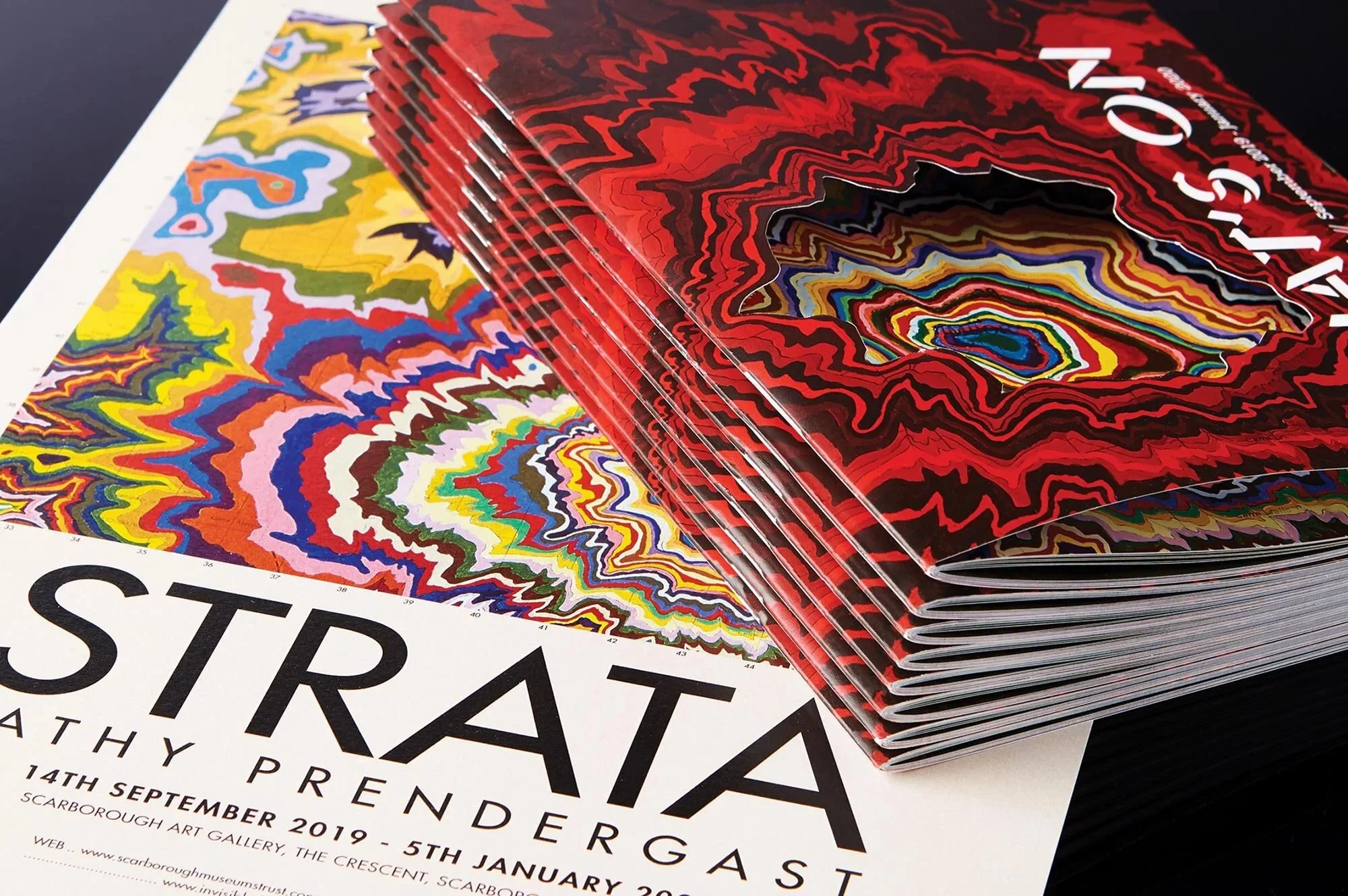
At Fitzpatrick Design, we've been fortunate to work with Scarborough Museums Trust across a number of creative projects. Our work has included exhibition design, creative direction and printed and digital marketing, including the Trust's What's On Guides.
The objective was to communicate the breadth of the museums' exhibitions and activities through engaging, accessible design that encouraged audiences to explore what was happening. And the client reported a positive response.
Simon Hedges, Head of Curation, Collections & Exhibitions, said:
"Our relationship with Fitzpatrick Design has realised exceptional results. Critically, our audience figures have increased since the release of the new brochure. This proves that investing in great design is crucial and, more importantly, effective."
It's a particularly rewarding example of design doing more than looking attractive. It's design helping an organisation connect with its audience.
Explore our work for Scarborough Museums Trust.
Making culture more accessible
The best museum design isn't necessarily the loudest or most elaborate. It's the design that communicates clearly, creates interest and helps people feel welcome. Sometimes that means a striking exhibition campaign. Sometimes it's an engaging visitor guide. Sometimes it's a more coherent identity across the entire visitor experience.
The important thing is understanding the audience and creating communication that encourages people to engage. Because museums aren't simply buildings filled with objects. They're places filled with stories, discoveries and experiences. And those stories deserve to be told brilliantly.
Whether you're developing a new museum identity, promoting an exhibition or looking to improve your visitor communications, effective design can help your organisation stand out and connect with its audiences.
At Fitzpatrick Design, we work with museums, cultural organisations and businesses to create engaging brand identities, campaigns and marketing materials. Let's talk about your next creative project.
#museummarketing #museumbranding #branddesign #culturalmarketing #graphicdesign